Barcelona
loc_ Local Guide Series
Barcelona doesn't do tourist-friendly hours. Lunch is at 2pm. Dinner starts at 9pm. The city runs on its own internal clock and has absolutely no interest in adjusting it for you. Once you sync up, everything else falls into place.
Medieval lanes, natural wine bars, the city's most photogenic market building
Insider: Arrive after 7pm when the lanes fill up but before 10pm when they overflow. The Mercat de Santa Caterina — the colourful mosaic-roofed market — is better than La Boqueria and has actual locals inside.
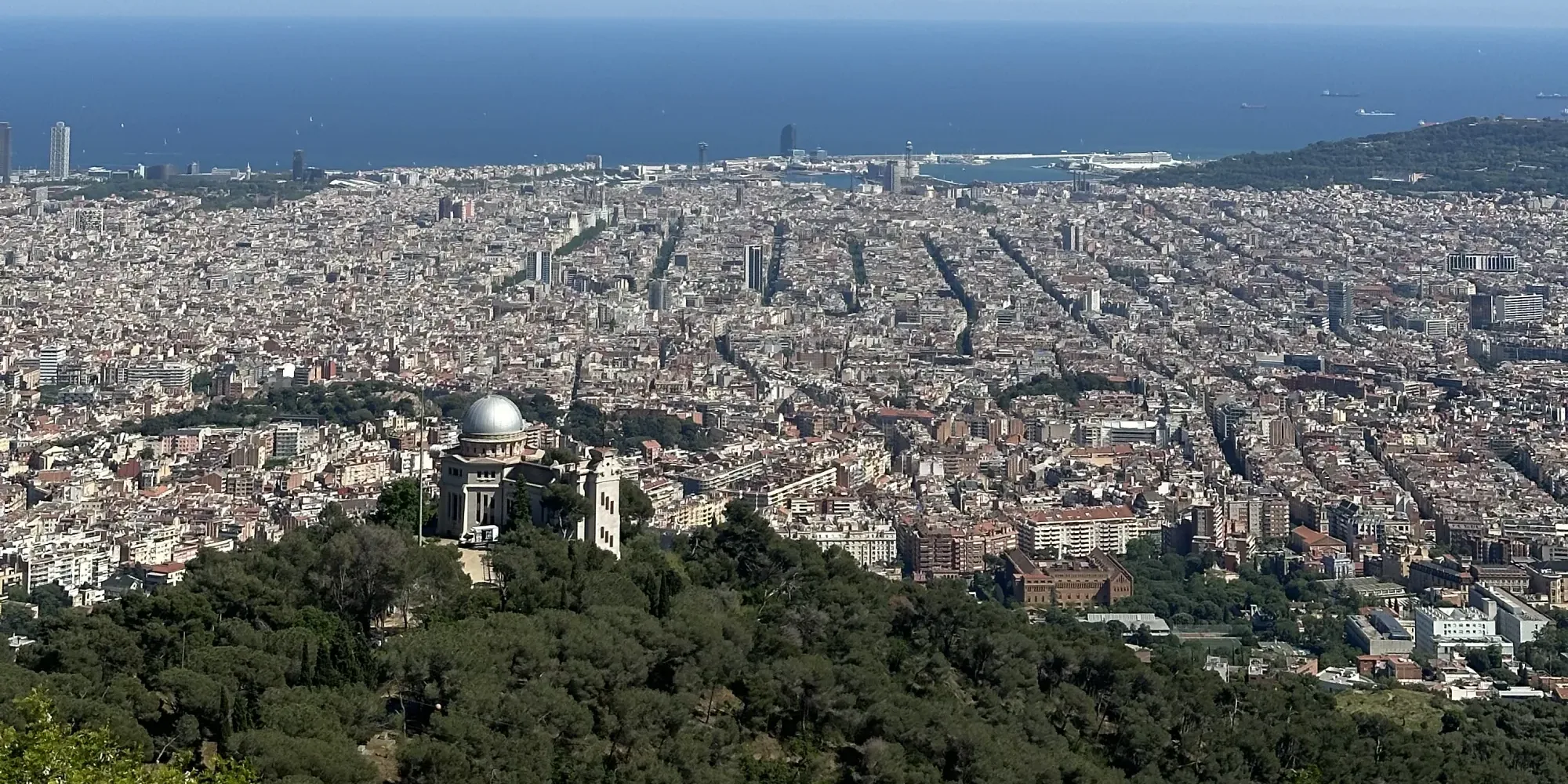
The grid. Broad avenues, Modernisme facades between the dry cleaners and the Apple Store
Insider: The lower-left quadrant (Gayxample) is a separate and livelier place. The interior courtyards of Eixample blocks — visible from certain rooftops and hotel bars — are a secret the street-level grid completely conceals.
A village that got absorbed. Tight streets, local squares, more dogs than children
Insider: The squares — Plaça del Sol, Plaça de la Vila de Gràcia — fill with locals in the evening. Find a terrace seat early. Avoid Verdi Street on weekends unless you enjoy queuing.
Barcelona's secret upper neighbourhood. Old estate walls, quieter than anywhere else in the city
Insider: Walk from Monestir de Pedralbes downhill through the old village to the FGC train station. The whole walk is maybe 20 minutes and you'll pass through three different centuries.
Lunch is at 2pm. Non-negotiable.
Not noon. Not 1pm. 2pm. Arriving at a restaurant at noon marks you immediately as a tourist; they may seat you, but the kitchen isn't ready and neither are they. By 2:30pm the room will be full of people who live here.
Vermut is a religious practice
12pm to 2pm on a weekend, standing at a bar counter with a glass of vermouth and whatever snacks the bar puts in front of you. This is vermut hour. It is not optional. It is not a prelude to something else. It is itself.
The Ramblas is not a street. It's a funnel.
La Rambla is a tourist management exercise — a funnel that concentrates visitors away from the city that actually exists around it. Walk parallel: La Rambla del Poblenou, Carrer del Consell de Cent, anything with locals on it.
Catalan first. Spanish second.
Barcelona is in Catalonia. The local language is Catalan, not Spanish. Attempting even a single word of Catalan — gràcies (thank you), bon dia (good morning) — earns immediate goodwill. Don't confuse the two languages. Don't call Catalan a Spanish dialect.
Dinner starts at 9pm
Showing up at 7:30pm for dinner is technically possible but the restaurant will be empty and the staff visibly confused. By 10pm you'll be competing for tables. The sweet spot is 9pm.
Do not attempt to use these if you lack the conviction. They are provided for comprehension, not necessarily for your adoption.
Thank you, in Catalan. Using it — however broken — earns immediate goodwill. Don't say 'gracias' in a local bar.
Vermouth. But also: the entire Sunday aperitivo ritual. The drink and the practice share the name.
Dude / mate. Spanish slang used constantly in Barcelona regardless of Catalan preference.
The late winter ritual of grilling spring onions (calçots) over fire and eating them with romesco sauce. A full social event, not a side dish.
Goodbye, in Catalan. Technically from "a Déu" — "to God". Used casually; not solemn.
Good morning. Say it to the shopkeeper, the barman, the person in the lift. It opens doors.
Please. Harder to say than "por favor" and gets a better reaction for exactly that reason.